Baseline assessments
Role-appropriate health review before exposure begins. The employee record holds the result, not a project spreadsheet.
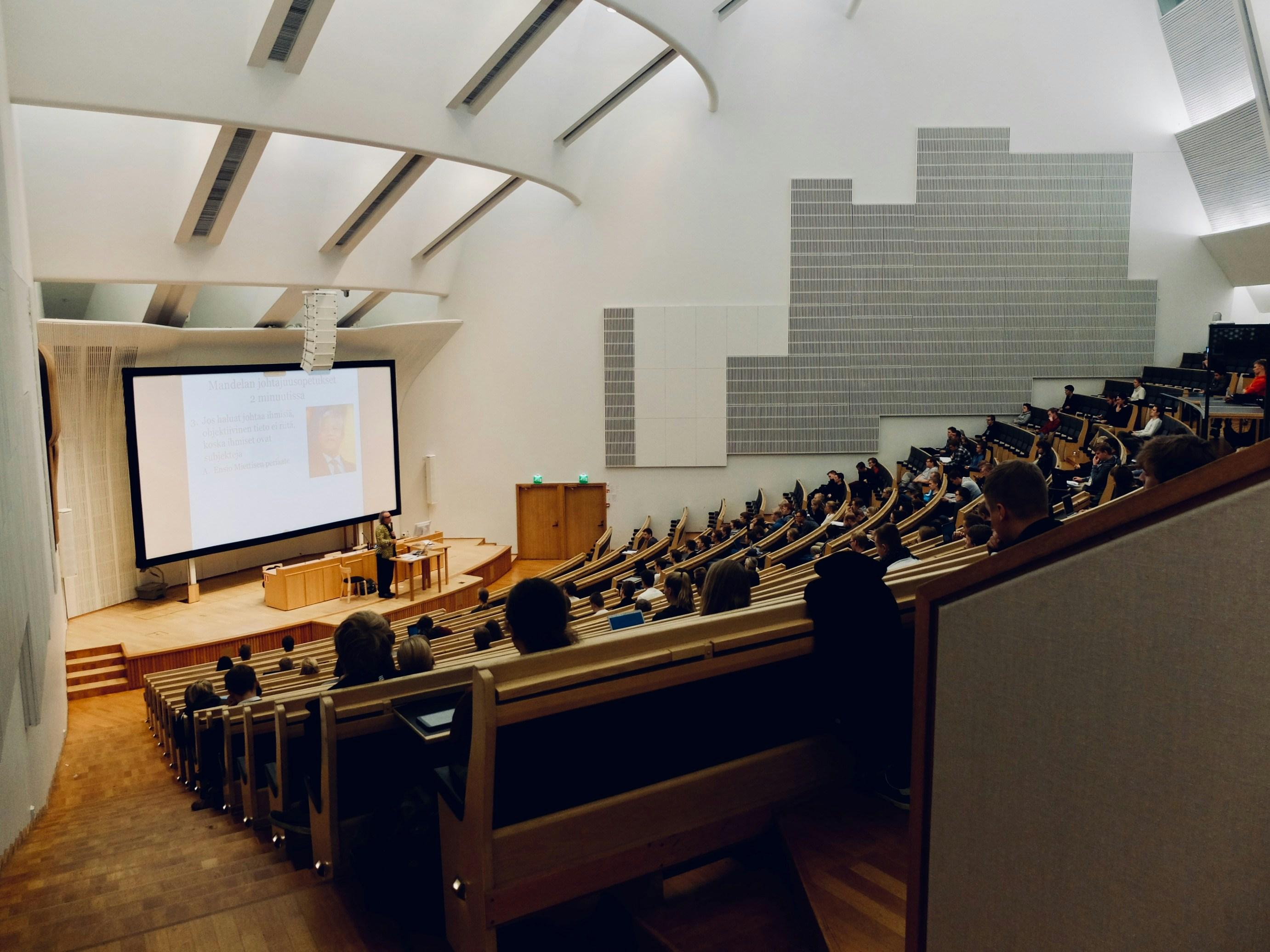
For universities and higher education
A university combines research, teaching, estates and administration. Occentra lets referral and surveillance pathways vary by role while keeping cases and governance consistent across the institution.
Workforce diversity
A lecturer with a long-term condition, a laboratory researcher under surveillance and an estates operative each need a different referral pathway, but all need the same governance.
Without role-aware pathways
With role-aware pathways
Laboratory surveillance
Projects start and finish, substances change, researchers move. Requirements follow actual risk assessment, not a static job title.
Role-appropriate health review before exposure begins. The employee record holds the result, not a project spreadsheet.
Questionnaires, testing and clinical review coordinated by programme. Exceptions escalate for professional attention.
End-of-exposure review where required. Earlier results provide continuity when researchers leave or change work.
Institutional coordination
University workflows need local flexibility and institutional governance. Occentra keeps tailored pathways inside one service.
Teaching, research, travel and workload context appropriate to the referral question. Better inputs, better advice.
Noise, vibration and respiratory surveillance for trades and operational teams. Campus appointments through one view.
Functional effects, proposed adjustments, duration and review. Management reports focus on work capacity.
Cases followed through initial assessment, phased return and review. Current advice clear even when several managers are involved.
Appointment type, practitioner and location coordinated. Capacity managed across campuses without separate diaries.
What changes
Teams gain a current picture without standardising away important differences in risk or role.
Pathway-specific questions make referral purpose and job demands clearer. Less time reconstructing context.
Programme status visible across departments. Missing inputs, missed appointments and cases awaiting review distinguished.
Structured outcomes help managers understand implications, duration and review. Consistent employee experience.
Shared status, appointments and documents reduce faculty spreadsheets and inbox queries.
Why Occentra
Occentra models referrals, cases, appointments and reports around the work occupational health actually does. Configuration adapts the platform to different organisations without creating separate software branches.
Draft, submitted, received, triaged and accepted are distinct states. Teams can see what is ready for clinical work and what needs attention first.
Tasks, appointments and forms connect to the employee and referral. A case stays open while scheduled work or review actions remain.
Teams publish versioned templates. Submitted answers stay tied to the form used, while new work moves to the current version.
Operations, advisers, physicians and managers receive different abilities. Server-side checks keep those boundaries consistent.
Explore Occentra
Review the platform from the commercial, operational and architectural angles that matter to your buying team.
Understand scope and commercial fit.
Compare approaches to OH software.
See the occupational health work Occentra supports.
See how Occentra fits your systems.
Related solutions
Receive, triage and accept requests for occupational health input, then continue the work in a connected case.
Move pre-employment questionnaires through review, clinical assessment where needed, and an occupational health outcome.
Support the occupational health workflow that begins when absence, capability or return-to-work concerns result in a referral.
Frequently asked questions
Everyone keeps one OH record, but referral questions and assessment pathways vary by job demand. A lab technician and a finance colleague enter the same service through routes that fit their work.
Baseline, periodic and exit forms sit against the employee, not a project spreadsheet. Form versions preserve what was asked at the time. Employment history maintains continuity.
Yes. The form captures actual working pattern, travel, workstation and on-campus duties. The clinician gives advice for both settings with a clear review task.
Referrals they manage, operational status and released work advice. Clinical form answers stay restricted to OH. Permissions prevent browsing another faculty's cases.
Yes. Reports filter by structure, location and configured fields. Management views use operational categories and confidentiality thresholds.
The employee record stays. Earlier referrals, cases and forms are preserved. Manager access follows the new assignment; clinicians retain history for safe interpretation.
Other industries
Coordinate staff clearance, vaccination, exposure incidents and return-to-work advice across clinical services.
Manage referrals, surveillance and return-to-work support across social care, waste, highways and corporate services.
Run risk-based surveillance, safety-critical assessments and exposure records across sites and shifts.
Book a walkthrough covering academic, laboratory, estates and professional services work. We show connected pathways, not a generic database.